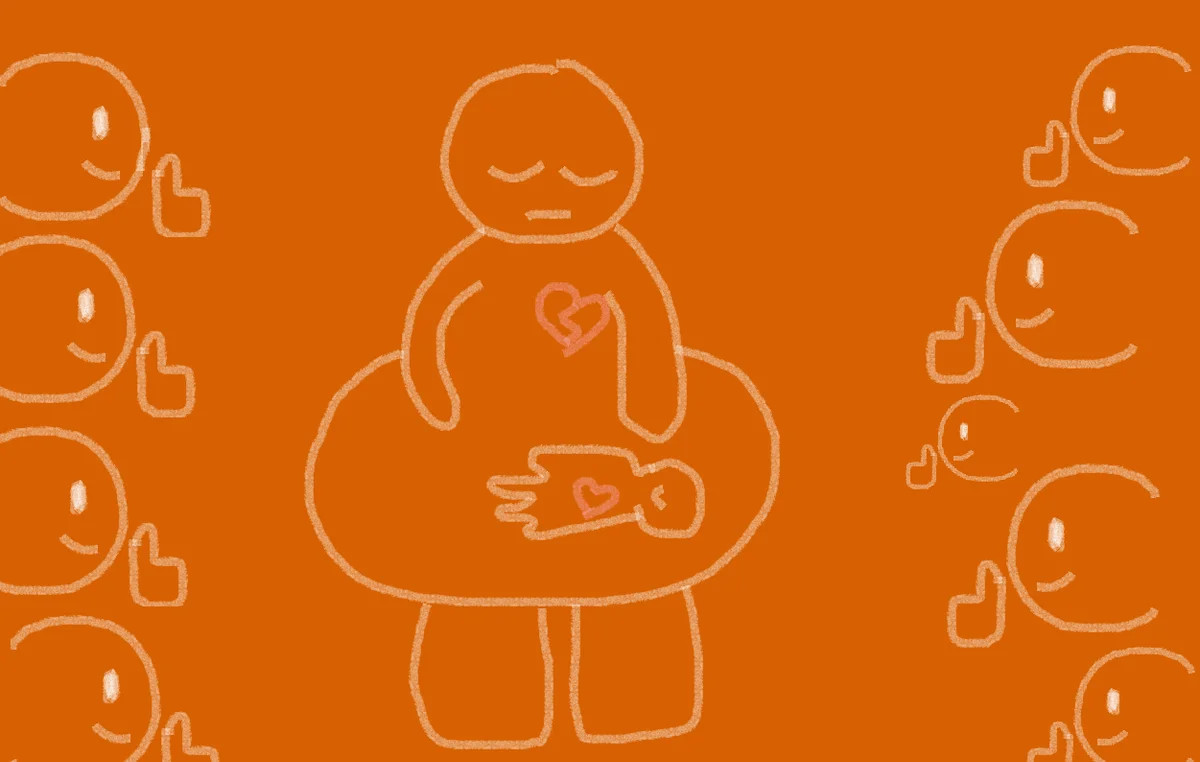
Understanding Matrescence: The Emotional Journey of Trying to Conceive
This article is part of our Matrescence Series, where we explore the emotional and psychological changes that women experience during their journey to motherhood. The series includes the following six topics:
- Trying to conceive (TTC)
- Pregnancy
- Labour
- Breastfeeding
- Parenting
- Impacts on relationships
TTC: The Hidden Emotional Load Many Women Carry
Do you feel the pressure of trying to conceive?
A client once said, "I’ve never felt so disgusted by my period. It mocks me every month—‘You failed last month, and you’ve failed again.’" Month after month, the disappointment can feel brutal.
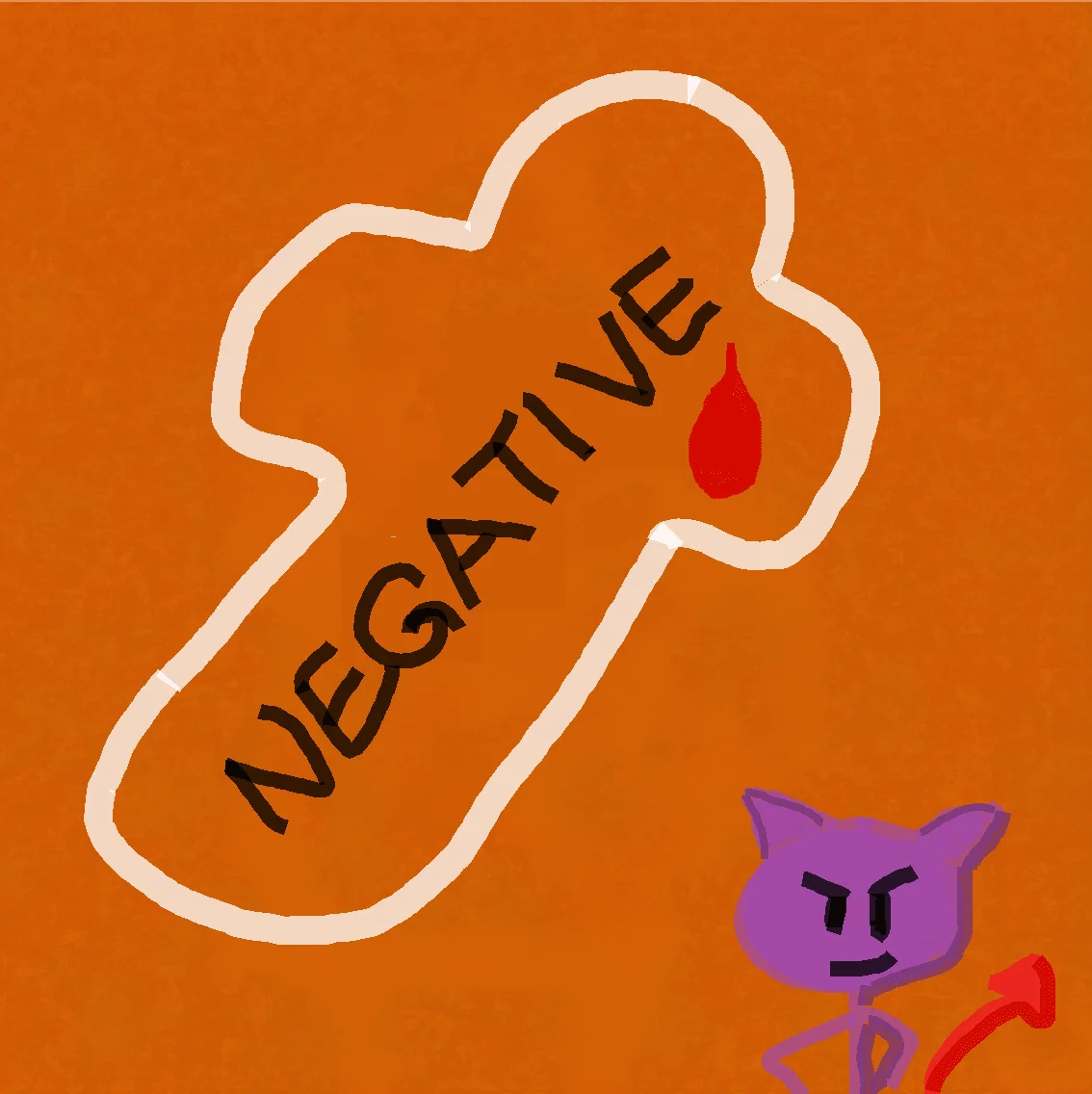
She also shared that she has a friend who, with a good heart, repeatedly showed her her newborn photos and birth video, even after she kindly declined. Eventually, she had to lie she was sick, ran out onto the street in tears and phoned her mum for comfort.
Age also plays a role in her journey, there is immense pressure to meet the geriatric pregnancy timelines and worries about the physical and mental load she has to carry. All of these feelings are normal.
For many women in the UK, this emotional rollercoaster is more common than people talk about. If this is a story you can relate to, we are here to help.
Getting Pregnant: Why It’s Not Always Simple
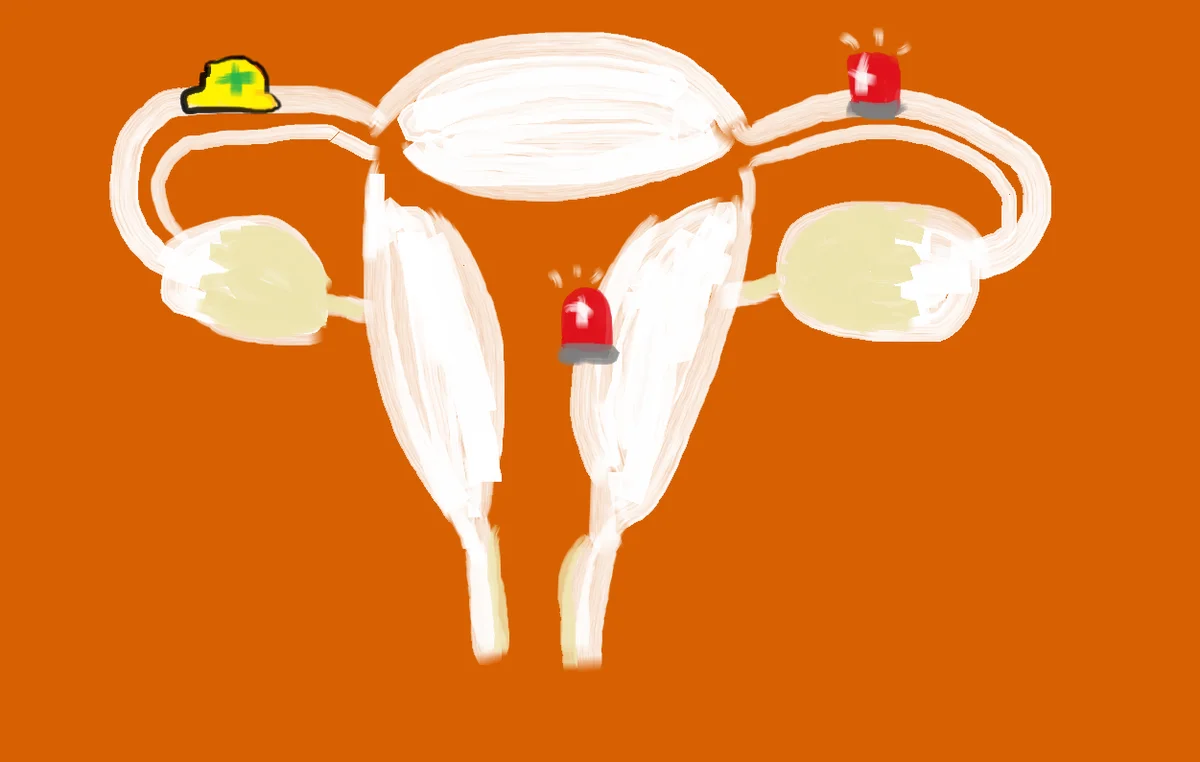
Many people assume pregnancy will happen easily, but for countless women and couples, it is a complicated journey.
Some discover a blocked fallopian tube which hinders pregnancy by stopping sperm and egg from meeting or a fertilised egg from reaching the uterus. Others are diagnosed with endometriosis. It often involves invasive operations, which pose risks to the women’s body and strain mental strength. The physical and emotional hurdles can be overwhelming.
Trying to conceive can be more than an arduous, physical challenge, it can also be a test of resilience, patience, and hope. To learn more about the emotional support you need, you can read more below.
When IVF Becomes the Next Step
IVF (In Vitro Fertilisation) offers hope, but it still comes with no guarantee. The hormonal intervention may change your body weight, induce mood swings and cause abdominal pain. The financial, physical and psychological costs are immense. When IVF fails, especially after months or years of trying, the emotional impact can hit even harder. Many in the UK fertility community describe IVF as a "last resort" that still leaves them heartbroken.
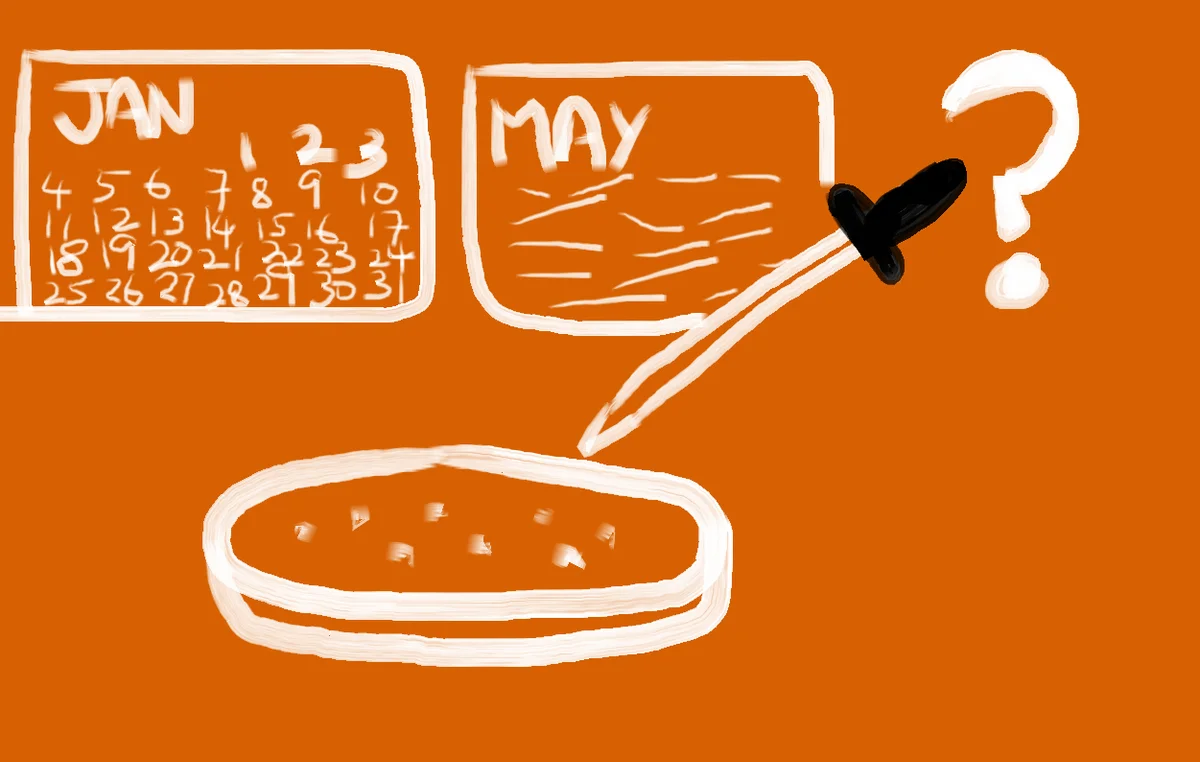
The infertility stress, disappointment and helplessness will grow over time, upset your relationship or even silence you and your partner. It is important to have a safe space to acknowledge and digest these feelings.
Miscarriage: Navigating the Silent Grief
"To lose a parent or a lifelong friend is often to lose the past: the person who died may be the only other living witness to golden events of long ago. But to lose a child is to lose the future: what is lost is no less than one’s life project—what one lives for, how one projects oneself into the future, how one may hope to transcend death (indeed, one’s child becomes one’s immortality project)." — Irvin D. Yalom, Love's Executioner and Other Tales of Psychotherapy
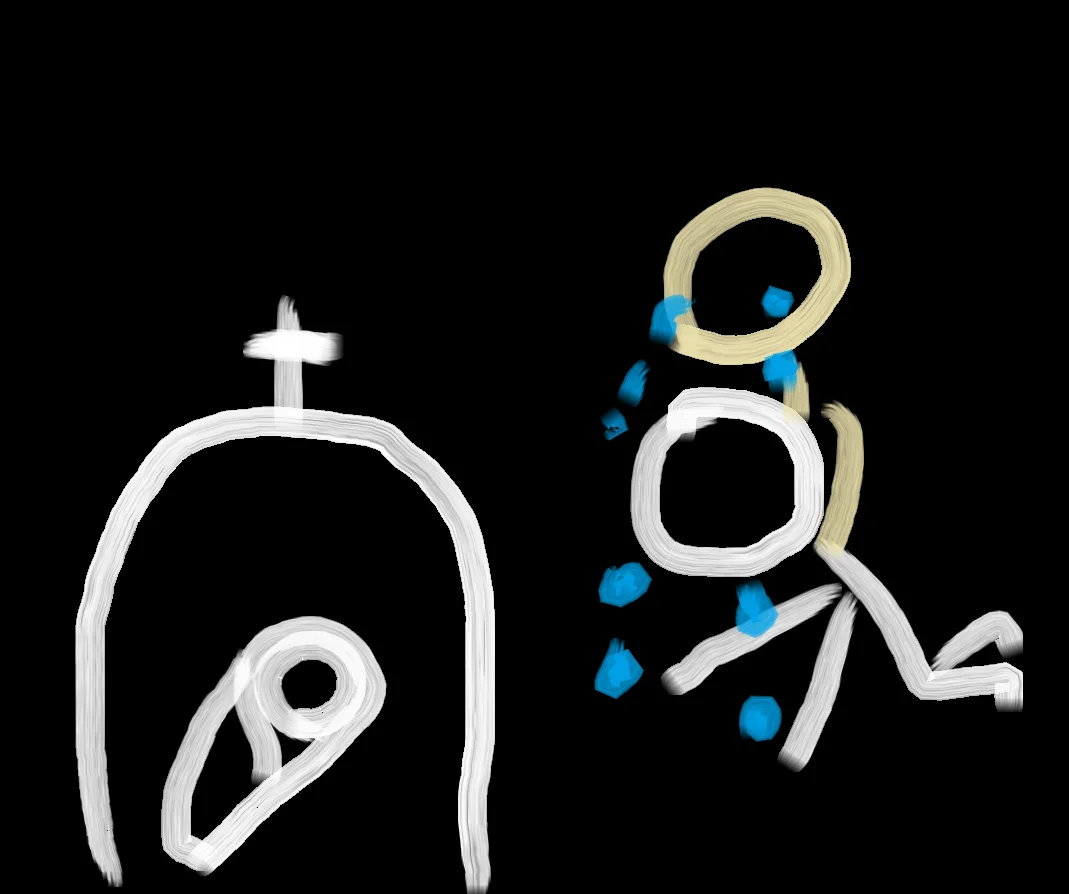
For many, the journey involves the heartbreak of loss. A miscarriage is not just a medical event, it is the shattering of a dream and a future you had already started to build. Whether it happens early on or later in the pregnancy, the sudden shift from excitement to emptiness can feel isolating. You may find yourself grappling with guilt, wondering if you did something wrong, or feeling betrayed by your own body.
How to manage the disappointment
Processing this grief requires appropriate company, time and immense self-compassion. There is often societal pressure to "move on" quickly, but it is vital to recognise that your loss is real and your pain is valid. Healing is not linear; some days you may feel strong, while others may be overwhelmed by sadness. Allow yourself to feel these emotions without judgment.
Who to talk to?
Friends and family often struggle to find the right words, sometimes offering painful condolences like "at least you know you can get pregnant," which can feel deeply hurtful. It is important to find a safe space where you can be vulnerable without fear of going through secondary pain. We understand the complexities of fertility grief and you do not have to carry this silent grief alone.
How TTC Affects Relationships and Intimacy
For many couples, trying to conceive slowly takes the joy out of sex. What once felt natural becomes scheduled and pressured. Both partners may feel withdrawn, disconnected or stressed.
Psychological support can make a significant difference. It helps couples:
- Reduce pressure
- Strengthen communication
- Feel more emotionally connected
- Navigate the grief, fear, and frustration of TTC
A Mayo Clinic (2022) study showed: 55% of women in a mind–body fertility programme became pregnant, compared with 20% who were not in the programme. These programmes teach relaxation, stress reduction, coping skills and often involve partners.
This shows how crucial emotional wellbeing is during the fertility journey.
You Don’t Have to Navigate Fertility Stress Alone
If you are struggling with the emotional toll of trying to conceive, whether naturally or through fertility treatment, support is available. I offer evidence-based counselling to help you:
- Reduce anxiety and stress
- Cope with fertility anxiety and relationship problems
- Identify the best communication style for you and your partner
- Feel more grounded and supported during your fertility journey
To learn these techniques and receive tailored support, speak with us today.