Understanding Matrescence: Pregnancy & Antenatal Depression
This article is part of our Matrescence Series, where we explore the emotional and psychological changes that women experience during their journey to motherhood. The series includes the following six topics:
- Trying to conceive (TTC)
- Pregnancy
- Labour
- Breastfeeding
- Parenting
- Impacts on relationships
This article is about Pregnancy.
Pregnancy: What Really Happens to Your Body and Mind

During pregnancy, your body undergoes significant physical and hormonal changes. You may experience:
- Nausea and vomiting
- Low or increased appetite
- Back pain
- Swollen ankles
- Fatigue
- Heartburn
- Disrupted sleep
This list is by no means exhaustive, you may wanna look up the NHS guidance for more information.
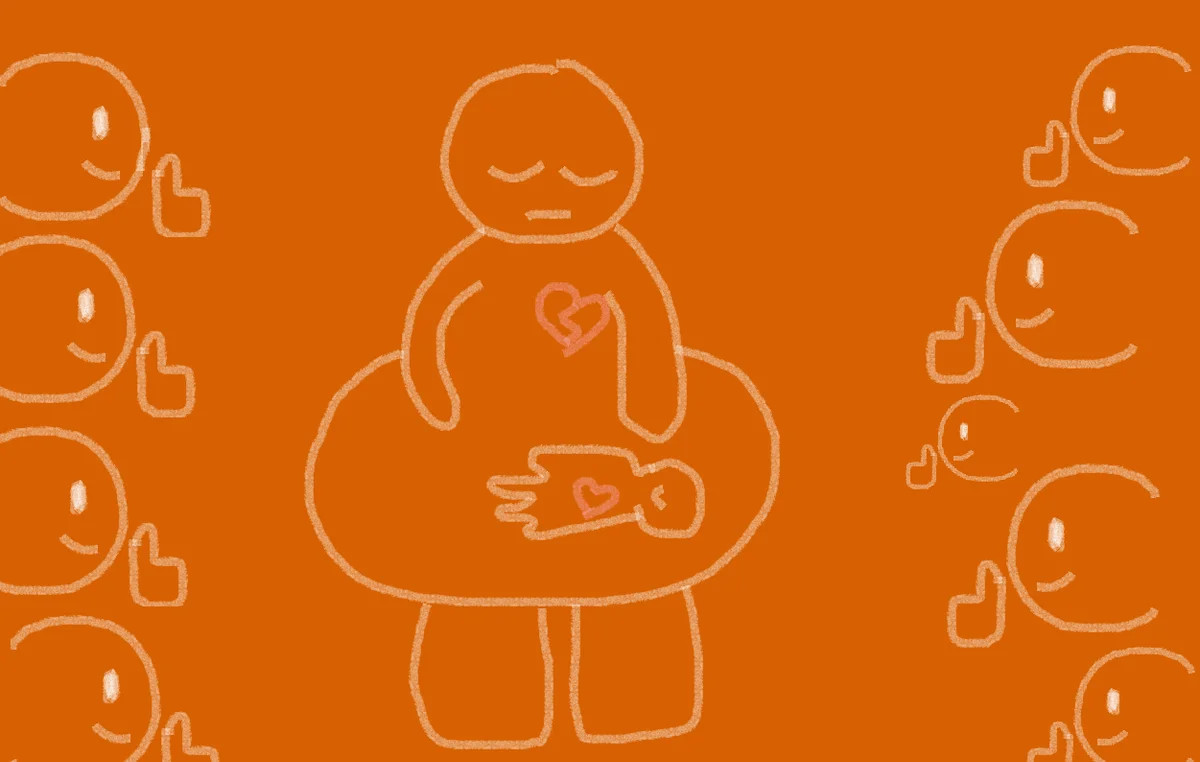
On top of this, many women also worry about gestational diabetes, regularly monitoring their weight, blood glucose levels and adjusting their diet to stay healthy. It is not uncommon to feel overwhelmed and tired during pregnancy as your body is evolving into a massive, protective crib for another human being.
The Mental Strain of Pregnancy

Pregnancy is not just a physical experience, it affects your emotional wellbeing too. It is normal to have mood swings. You may also experience worries or anxiety about:
- Your weight and body image
- Missing miscarriage signs
- Miscarriage risks or preeclampsia
- Feeling unprepared for labour or being a new parent
- How your relationship may change
On top of these, changes in appetite and sleep can also affect your mood, sometimes they will lead to chronic stress or antenatal depression. Talking to someone will help alleviate your stress.
Pregnancy and the Pressure of Work
Many women feel pressure to “keep up” at work, especially in fast-paced or male-dominated environments. You may feel the need to prove your competence or stay productive right up until maternity leave. Some also experience anxiety around:

- Being perceived as less committed
- Career progression
- Balancing rest with responsibilities
These pressures can intensify feelings of being overwhelmed and exacerbate emotional exhaustion.
For Partners: How to Support a Pregnant Woman
A healthy pregnancy requires compassion and teamwork. Partners can help by:

- Sharing household chores, even in small ways
- Showing up
- Showing patience and empathy
- Prioritising her physical and emotional safety
- Reassuring her that you are a team facing this together
Supportive partners play a powerful role in reducing pregnancy stress and strengthening the relationship.
What You Can Do to Support Your Mental Health
- Practise relaxation or grounding techniques
- Talk to someone who understands what you’re going through
- Join a support group and connect with other mums
How Counselling Can Help
During our sessions, we will:
- Identify your emotions, thoughts and behavioural patterns
- Create practical, personalised action plans
- Provide emotional support and evidence-based tools
- Help you navigate antenatal depression, anxiety, or pregnancy-related stress
- Improve your relationships
Home Visits Available — Please Enquire
If you prefer support in the comfort of your home, I offer home visit sessions depending on location and availability. Contact us now for more information!